

- Joined
- Jan 29, 2024
- Messages
- 30
- Reactions
- 50
- Age
- 24
- Location
- Raleigh, United States
- Site
- youtube.com
How to Make a Drone Pilot Portfolio / Website That Actually Gets You Jobs
Most drone pilots struggle with one thing that has nothing to do with flying: presenting their work in a way that gets them hired. A lot of people post random shots on Instagram or YouTube, but clients don’t go there to hire pilots. They usually just want to see your best examples, your pricing, your reviews, and a simple way to book you.Here’s a structure that consistently works:
1. Build a portfolio that isn’t just a gallery
The best portfolios aren’t just pictures. They explain the flight, the location, and the type of work you can deliver. If a client is looking for a pilot, they want to know what they’re buying. A proper portfolio page should have:• A hero section with your name, location, and a one-sentence summary
• Featured shots or projects
• A grid of your deliverables (videos, photos, and project albums)
• Reviews from people you’ve worked with
• A call-to-action (hire, message, request a quote)
If your portfolio doesn’t show these things, clients will usually bounce.
2. Make every project its own page
One of the most underrated tricks is creating a dedicated page for each deliverable.Each project becomes a standalone link you can share. Clients love clicking through examples instead of digging through a folder or a social feed.
3. Let your portfolio auto-update from your actual work
Static portfolios die fast because pilots forget to update them. The easiest method is letting the portfolio update itself whenever you upload new work. That way, every flight becomes a new sample that can earn you more jobs.The one I use automatically turns each upload into a clean public page, adds the metadata, and sorts it in your profile. When you add new videos or photos, your site updates instantly without re-building anything.
4. Use embed blocks so your portfolio appears anywhere online
This is the part most people overlook. If your portfolio can be embedded, you can place your work on:• Your personal website
• Your business site
• A blog post
• A partner’s page
• A local tourism site
• A city directory
It works like YouTube: copy one snippet of code, paste it, and your live portfolio shows up.
Whenever you add new media, the embedded portfolio updates automatically.
That means you can build backlinks, increase your exposure, and have your work appear across multiple sites without touching anything twice.
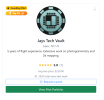
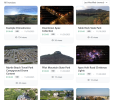
Here is an example of how it looks when embedded:
5. Show social proof directly on your portfolio
Reviews matter more than equipment. A clean portfolio that shows:• Verified client reviews
• Total views
• Past jobs
• Ratings
…will convert far better than just a gallery of shots. When clients see what other clients said, your close rate jumps.
6. Make it easy for clients to buy or request work
This is where most pilots lose jobs. If someone likes your work, there needs to be a simple button:• Request a quote
• Book a shoot
• Purchase a license
• Unlock the files
If a client has to DM you, wait for a response, negotiate, and figure out how to pay, they usually move on.
The system I use lets clients pay securely and unlock the full-resolution files instantly. It removes all the awkward “how do I send this?” logistics and makes you look more professional.
7. Build your portfolio once and let it become a lead machine
When you combine:• Project pages
• Auto-updating portfolio
• Embeds
• Reviews
• Payment + delivery
• Public examples of your best flights
…your portfolio starts doing the selling for you.
If anyone wants to see how mine is set up, here is the platform I made specifically to do this:
Maximize Your Income as a Drone Pilot | DroneInvoice
DroneInvoice helps working drone pilots make more from each job, actually get hired, save time on admin, and turn old flights into passive income — with no monthly fee.
 www.droneinvoice.com