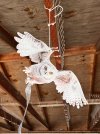
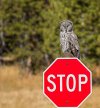
Here’s from information from a site online.
Visual and auditory deterrents can be an effective way to keep birds away from your drone. Here are some innovative solutions:
Reflective Materials: Attach reflective materials, such as aluminum foil or reflective tape, to your drone’s body. The reflective surfaces can create a flashing effect, startling birds and keeping them at bay.
- Colorful Decals: Apply bright, contrasting decals to your drone’s body. Birds are less likely to approach a drone with striking colors, as they perceive it as a potential threat.
- Noise-Making Devices: Install noise-making devices, such as loudspeakers or sirens, on your drone. The sudden, loud noise can scare birds away.
Drone design and modifications can also play a crucial role in deterring birds. Here are some ideas:
- Streamlined Design: Opt for a streamlined drone design with minimal protrusions, making it less appealing to birds.
- Bird-Repellent Coatings: Apply bird-repellent coatings or paints to your drone’s body. These coatings often contain capsaicin, the active ingredient in chili peppers, which deters birds.
- Modified Propellers: Use propellers with serrated edges or irregular shapes, making them less appealing to birds.
I think I’d be too nervous to try aluminum foil.





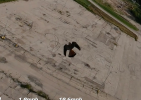 I have a video of it and you can see him sizing me up from a distance and came at me full throttle. I haven’t seen any of them in months.

 . If I load the video it will be in a separate post.

 .
.