



- Joined
- Jan 29, 2024
- Messages
- 32
- Reactions
- 65
- Age
- 24
- Location
- Raleigh, United States
- Site
- youtube.com
Most drone pilots start the same way:
1. They check airspace, see no restrictions, and assume they’re good to fly.
2. Then they arrive on site and discover the real problem — they’re not allowed to take off where they’re standing.
3. The airspace might be legal. The ground isn’t.
Flying legally isn’t just about airspace. It’s about where you’re allowed to launch — and whether pilots actually fly there without issues.
Tools like LAANC and airspace maps are essential, but they only answer one question:
These rules can come from:
They vary by location and are often:
This is where most drone maps stop being helpful.
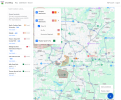
I got so tired of this I made a community drone map that pilots can easily update and report what they find.
Some locations are technically allowed but:
If pilots consistently fly somewhere without issues, that context matters.
Check it out here:
1. They check airspace, see no restrictions, and assume they’re good to fly.
2. Then they arrive on site and discover the real problem — they’re not allowed to take off where they’re standing.
3. The airspace might be legal. The ground isn’t.
Flying legally isn’t just about airspace. It’s about where you’re allowed to launch — and whether pilots actually fly there without issues.
Why airspace alone doesn’t answer “Can I fly here?”
The FAA controls the sky, not the ground.Tools like LAANC and airspace maps are essential, but they only answer one question:
They do not answer:Is the airspace restricted?
- Can I legally take off and land here?
- Does this park allow drones?
- Is this property posted or enforced?
- Do pilots actually fly here without getting removed?
The missing piece: takeoff & landing rules
Takeoff and landing rules determine whether you’re allowed to be there and launch — regardless of airspace.These rules can come from:
- City ordinances
- County or municipal park policies
- State park regulations
- Property-specific signage
- Local enforcement practices
They vary by location and are often:
- buried in PDFs
- inconsistently enforced
- unclear or outdated online
This is where most drone maps stop being helpful.
The Solution
After planning flights, driving to locations, and setting up only to be told “you can’t fly here”, it became clear that airspace alone wasn’t the problem — ground rules were.I got so tired of this I made a community drone map that pilots can easily update and report what they find.
1. Location-specific takeoff & landing rules
DroneMap focuses on whether you’re allowed to:- stand there
- take off
- land
- operate without violating local rules
2. Popular drone locations based on real pilot reviews
Legality alone doesn’t make a good flying spot.Some locations are technically allowed but:
- attract unwanted attention
- have conflicting enforcement
- are impractical to fly safely
- user reviews
- reports
- repeat activity
If pilots consistently fly somewhere without issues, that context matters.
Check it out here:
DroneMap - The Community Drone Map
DroneMap is a community-driven map of where you can fly. See airspace, ground rules, pilot activity, and user reviews of specific locations. Contribute reports and earn reputation.
dronemap.com